Detroit Beat Essentials for Hard Trap Production
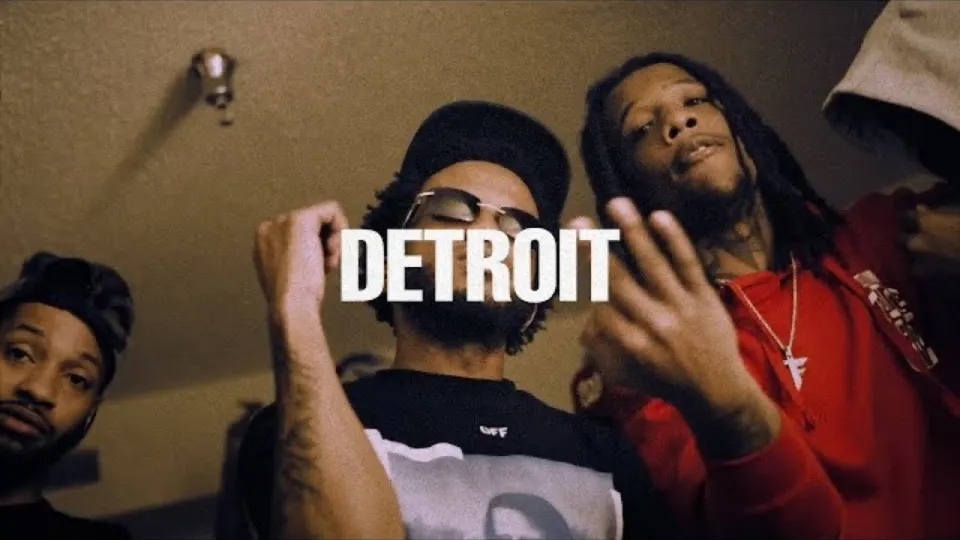
Video: [FREE] Detroit Type Beat - "Trenches"
Want articles like this for your own video to promote it on YouTube and Google? Order them through the Telegram bot @sat_sit_bot. The bot writes and publishes the articles itself (with your YouTube video embedded) on popular topical websites (no ads). Free trial — 50 articles.
· based on the channel Damerunitup
Key takeaways
- Detroit beats typically run 130–150 BPM with heavy 808s and dark, minor-key melodies.
- The free Detroit type beat "Trenches" by Damerunitup is available for download via bsta.rs/57l1i.
- A license is required to upload songs to Spotify and Apple Music; unlicensed use may trigger copyright claims.
- Buy-one-get-one-free offer applies when purchasing the beat through the provided link.
- Detroit drill blends trap production with gritty, aggressive street themes.
A Detroit beat is a style of trap production characterized by hard-hitting 808s, dark melodic loops, and a tempo usually between 130 and 150 BPM, often associated with Detroit drill and street rap. If you're looking for a free example, Damerunitup's "Trenches" is a Detroit type beat you can download and use, with a license available at Buy This Beat (Buy 1 Get 1 FREE). This article breaks down what defines the Detroit sound, how to use type beats legally, and how to get the most out of free resources like this one.
What Makes a Detroit Beat Hard
A hard Detroit beat relies on a specific set of production choices that create an aggressive, street-ready atmosphere. The genre grew out of Detroit's rap scene, where artists like Tee Grizzley and Sada Baby popularized a raw, energetic sound. Producers building in this style typically start with a dark piano or synth melody in a minor key, then layer in booming 808 bass, crisp hi-hats with fast rolls, and punchy snares. The tempo often sits around 140 BPM, though it can range from 130 to 150 depending on the artist. What sets Detroit apart from other regional trap styles is the bounce: hi-hat patterns often include triplets and off-beat accents that give the beat a driving, almost frantic feel. The 808s are usually long and sustained, providing a heavy low-end foundation that contrasts with the high-frequency melodies. Many producers also add ambient textures, vocal chants, or sound effects to enhance the gritty vibe. In "Trenches," you can hear these elements at work: a haunting melody, hard-hitting drums, and a structure designed for rappers to ride with aggressive flows. The result is a beat that feels both menacing and energetic, perfect for street-oriented lyrics.
How to Use Free Type Beats Legally
Using a free type beat legally requires understanding the difference between free download and licensed use. When a producer offers a beat for free, it usually means you can download it for non-profit or demo purposes, but you cannot release it commercially without purchasing a license. Damerunitup explicitly states that a license is needed to upload songs to Spotify and Apple Music, and that songs without a license may be hit with copyright claims. To use "Trenches" legally, follow these steps:
- Download the beat from the provided link.
- Purchase a license through the same link (buy one get one free offer applies).
- Credit the producer as required by the license terms.
- Upload your song to streaming platforms with the license secured.
This process protects you from takedowns and allows you to monetize your music. Always read the license agreement to understand your rights regarding distribution, performance, and derivative works. Many producers offer different tiers (e.g., lease, exclusive) with varying permissions. If you're serious about releasing music, investing in a license is essential.
Breaking Down the "Trenches" Beat
"Trenches" is a Detroit type beat released by Damerunitup on May 18, 2022, and it exemplifies the hard Detroit style. The beat opens with a dark, atmospheric melody that immediately sets a somber tone. The 808s are deep and distorted, providing a solid low-end that drives the track. The hi-hats are programmed with rapid rolls and variations, adding movement and energy. The arrangement includes subtle changes—breakdowns and drops—that keep the beat interesting for both the rapper and the listener. Fans in the comments have noted that slowing the beat to 0.75 or 0.5 speed brings out a different vibe, making it even more menacing. This flexibility shows how a well-crafted Detroit beat can adapt to different flows and tempos. The title "Trenches" suggests a theme of struggle and street life, which aligns with the aggressive yet moody production. Whether you're a rapper looking for a hard beat or a producer studying the style, "Trenches" offers a clear example of the Detroit sound.
Common Questions from Aspiring Artists
Aspiring artists often have questions about using type beats, and the comments on "Trenches" reveal several recurring themes. One common concern is whether a free beat can be used for commercial releases—the answer is no, unless you purchase a license. Another question is how to make a beat sound harder; many find that slowing down the tempo or adding distortion to the 808s can increase the aggression. Some artists worry about copyright strikes; the solution is to always secure a license before uploading to streaming services. Additionally, artists wonder about crediting the producer; typically, you must include the producer's name in the title or description as specified in the license. Finally, there's the question of whether a type beat can be used for multiple songs—usually, a lease license allows a limited number of distributions, while an exclusive license grants full rights. Understanding these points helps you avoid legal issues and focus on creating music.
Tips for Rapping on Detroit Beats
Rapping on a Detroit beat requires a specific approach to match its energy and rhythm. Start by listening to the beat multiple times to internalize the tempo and groove. Detroit beats often have a bounce that encourages fast, aggressive flows with punchy delivery. Pay attention to the hi-hat patterns; they can guide your cadence. Many Detroit rappers use a conversational tone mixed with ad-libs to fill space. Experiment with different flows—try riding the beat with triplets or syncopated rhythms. If the beat feels too fast, you can slow it down (as some listeners do) to find a comfortable pocket. Lyrically, Detroit rap often focuses on street life, struggle, and success, so tailor your content to match the mood. Recording with good microphone technique and mixing your vocals to sit well with the beat's low-end is crucial. Finally, consider adding vocal effects like ad-libs, doubles, and slight distortion to blend with the gritty production.
Useful Links
Final Thoughts
Detroit beats are a powerful tool for artists looking to capture a hard, street-oriented sound. Damerunitup's "Trenches" is a prime example of the style, offering a free download with a buy-one-get-one-free license option. Remember to secure a license before releasing your music commercially to avoid copyright issues. Use the links above to access the beat and support the producer. With the right approach, you can turn a Detroit type beat into a standout track. For more hard Detroit beats, explore Damerunitup's catalog and stay tuned for new releases.
Source: [FREE] Detroit Type Beat - "Trenches" · Markdown version
Questions & answers
Can I use a free Detroit type beat for a song on Spotify?
No, you cannot use a free type beat for commercial release on Spotify or Apple Music without a license. The producer explicitly states that a license is required, and unlicensed uploads may receive copyright claims. Purchase a license through the provided link to distribute legally.
How do I make a Detroit beat sound harder?
To make a Detroit beat harder, focus on heavy, distorted 808s, dark minor-key melodies, and aggressive drum patterns with fast hi-hat rolls. Some producers also slow the tempo slightly or add distortion to the bass. Layering eerie synths and using punchy snares can enhance the aggressive vibe.
What tempo are Detroit type beats usually?
Detroit type beats typically range from 130 to 150 BPM, with many sitting around 140 BPM. The tempo contributes to the energetic, driving feel that suits fast, aggressive rap flows. However, some artists slow the beat down to 0.75 or 0.5 speed for a different effect.
Do I need to credit the producer when using a type beat?
Yes, most licenses require you to credit the producer in the song title or description. For Damerunitup's beats, check the license terms for specific crediting requirements. Proper credit helps avoid disputes and supports the producer's work.